
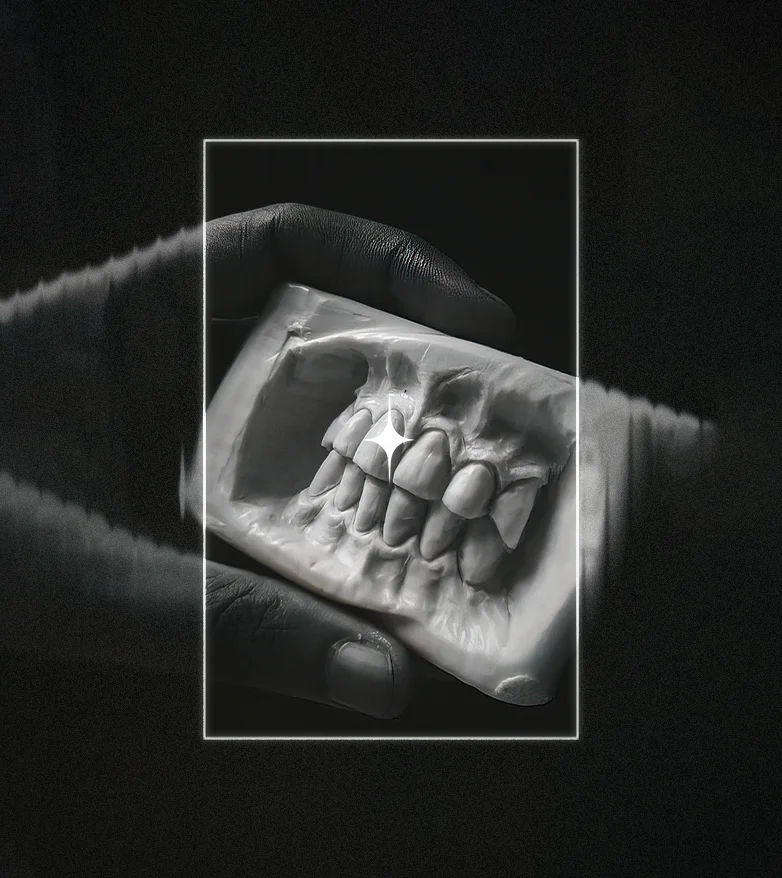


Dental Implants & Restorations in Turkey
Missing teeth can affect more than appearance. They may influence chewing ability, speech, and the long-term stability of surrounding teeth. Modern implant dentistry offers solutions designed to restore both function and aesthetics.
Dental implants act as artificial tooth roots placed within the jawbone. Once integrated with the bone, they can support crowns, bridges, or full-arch restorations. When carefully planned, implant treatments allow patients to regain natural function while maintaining long-term oral stability.
For international patients researching dental implants in Turkey, understanding the treatment process and available options helps clarify what the procedure involves and how it fits into a broader treatment plan.
Patients considering implant treatment abroad often review the full clinical process, timelines, and healing phases before traveling. – The Real Dental Implant Process in Turkey [FLAG]
Key Points
- Dental implants replace missing teeth by acting as artificial tooth roots anchored in the jawbone.
- Implant restorations may support single crowns, bridges, or full-arch prosthetic teeth.
- Treatments such as All-on-4 and All-on-6 allow multiple teeth to be supported with fewer implants.
- Successful outcomes depend on proper diagnosis, surgical planning, and adequate healing time.
Table of Contents
What Are Dental Implants
A dental implant is a small titanium fixture placed into the jawbone to replace the root of a missing tooth.
Once inserted, the implant gradually integrates with surrounding bone tissue through a biological process known as osseointegration. This creates a stable foundation for replacement teeth.
After healing, a restoration is attached to the implant. This may include:
- a single dental crown
- a multi-tooth bridge
- a full-arch prosthesis
The goal is to restore both the function and appearance of natural teeth.
Who May Benefit from Implant Treatment
Dental implants may be recommended for patients who experience:
- one or more missing teeth
- unstable or uncomfortable dentures
- difficulty chewing due to tooth loss
- bone loss after long-term missing teeth
Not every patient is automatically a candidate for implants. Dentists typically evaluate:
- bone density
- gum health
- medical history
- bite alignment
Additional procedures such as bone grafting may sometimes be required before implants can be placed.
For many international patients, the decision to proceed with implant treatment is influenced not only by clinical need, but also by differences in treatment costs between countries. – Why Is Dentistry Cheaper in Turkey [FLAG]
Types of Implant Restorations
Implant treatment can vary depending on the number of missing teeth and the condition of the jawbone.
Single Tooth Implant
A single implant replaces one missing tooth.
The implant supports an individual crown that functions similarly to a natural tooth.
Advantages include:
- preservation of neighboring teeth
- natural appearance
- stable chewing function
Implant Supported Bridge
When multiple teeth are missing, implants can support a fixed bridge rather than replacing each tooth individually.
This approach may reduce the number of implants required while restoring several teeth.
All-on-4 Implants
The All-on-4 technique uses four implants to support a full arch of prosthetic teeth.
This approach is often considered for patients who have lost most or all teeth in one jaw.
Benefits may include:
- fewer implants required
- fixed teeth instead of removable dentures
- improved stability when chewing
All-on-6 Implants
All-on-6 treatment uses six implants to support a full arch restoration.
This technique distributes chewing forces across additional implants and may be recommended when bone conditions allow.
Full Mouth Implant Restoration
In cases where both jaws require treatment, full mouth implant restoration may combine multiple techniques to rebuild complete dental function.
Planning typically involves detailed imaging and staged treatment steps.
How Dental Implants Are Placed
Many patients are curious about how implant surgery actually works.
The procedure generally follows several stages.
Step 1 — Diagnosis and Planning
Before surgery, dentists evaluate the jawbone using:
- clinical examination
- digital X-rays
- 3D CBCT imaging
These scans allow precise planning of implant position.
Step 2 — Implant Placement
During surgery:
- Local anesthesia is administered.
- The dentist prepares a small opening in the jawbone.
- The titanium implant is inserted into the bone.
- The gum tissue is closed over the implant or a healing cap is placed.
The procedure is typically completed within 30–90 minutes / per implant depending on the number of implants.
In cases where teeth cannot be preserved, surgical extraction may be required prior to implant placement.
Step 3 — Healing Phase
Following placement, the implant requires time to integrate with the bone.
This healing process usually lasts:
- 3–4 months for the lower jaw
- 4–6 months for the upper jaw
During this time the implant becomes stable within the bone.
Step 4 — Final Restoration
Once healing is complete:
- A connector called an abutment is attached.
- Digital scans or impressions are taken.
- The final crown or bridge is fabricated.
- The restoration is securely fixed to the implant.
The result is designed to feel similar to a natural tooth.
Implant Healing and Osseointegration
Osseointegration is the biological process that allows implants to function reliably.
The surface of the titanium implant gradually bonds with surrounding bone cells. This connection provides the stability necessary to support chewing forces.
Proper healing requires:
- healthy bone structure
- controlled biting forces during recovery
- careful oral hygiene
When these factors are maintained, implants can function for many years.
Pre-existing gum disease must be diagnosed and treated before implant placement to ensure long-term success.
Materials Used in Implant Dentistry
Several materials are commonly used in implant treatment.
Titanium Implants
Titanium is widely used because it integrates well with bone and has long-term clinical evidence.
Zirconia Crowns
Zirconia restorations provide strength and natural appearance for implant crowns.
Ceramic Prosthetics
Full arch restorations may incorporate ceramic materials designed for durability and aesthetics.
Material selection depends on the treatment plan and functional requirements.
Treatment Timeline for International Patients
Many implant treatments involve staged appointments.
Typical sequence:
Visit 1
- consultation and diagnostics
- implant placement surgery
Stay duration: 3–5 days
Healing Period
Bone integration occurs over several months.
Patients return home during this time.
Visit 2
- abutment placement
- final crowns or bridges
Stay duration: 5–7 days
Complex treatments may require additional appointments.
Maintaining Implant Restorations
Dental implants require regular care similar to natural teeth.
Patients are generally advised to:
- brush and floss daily
- attend routine dental examinations
- avoid excessive biting on very hard objects
- use protective night guards if grinding occurs
With proper care, implants may function reliably for many years.
Frequently Asked Questions
Are dental implants painful?
Implant placement is performed with local anesthesia. Most patients report mild discomfort for a few days after surgery.
How long do dental implants last?
Implants are designed as long-term solutions and may last decades when properly maintained.
Can implants replace all teeth?
Yes. Techniques such as All-on-4 or All-on-6 allow a full arch of teeth to be supported by a limited number of implants.
How long should I stay in Turkey for implant treatment?
Many implant treatments require two visits. The first visit involves implant placement, while the second visit completes the final restorations after healing.
Understanding how complications are managed after treatment abroad is an important part of informed decision-making.
What happens if bone loss is present?
In some cases procedures such as bone grafting may be recommended to create sufficient support for implants.
What is Zygomatic Implant?
In advanced cases of upper jaw bone loss, conventional dental implants may not have sufficient bone support. When this occurs, a specialized procedure known as zygomatic implant treatment may be considered.
Zygomatic implants are significantly longer than traditional implants and are anchored in the zygomatic bone (cheekbone) rather than the upper jaw. Because the cheekbone remains dense even in patients with severe jawbone resorption, it can provide a stable foundation for fixed prosthetic teeth.
These procedures are typically performed under general anesthesia or deep sedation in a hospital operating environment. The surgery requires careful surgical planning, advanced imaging, and close coordination between the dental surgical team and hospital staff.
In suitable cases, zygomatic implants may allow patients with severe bone loss to receive fixed teeth on the same day, avoiding lengthy bone grafting procedures that can otherwise require many months of healing.
Zygomatic implant surgery is considered a highly specialized treatment. Only a limited number of implant surgeons perform these procedures regularly because they involve complex anatomical structures such as the maxillary sinus and surrounding facial bones. For this reason, such treatments are generally carried out in advanced implant centers or highly specialized dental clinics with surgical hospital partnerships.
StudiÖzgür Smile Studio & Laboratory is proud to be one of the providers of Zygomatic Implant Treatment.
Clinical studies show that when performed by experienced surgical teams, zygomatic implants demonstrate high long-term success rates comparable to conventional implants.
Related Guides for International Patients:
• Step-by-Step Dental Implant Process in Turkey [FLAG]
• Why Is Dentistry Cheaper in Turkey [FLAG]
• What Happens If Something Goes Wrong After Treatment Abroad
• Is Dental Treatment in Turkey Safe?
Medical Review
This page was prepared and reviewed by the clinical team at StudiÖzgür Ağız ve Diş Sağlığı Polikliniği, located in Istanbul. The content is intended to provide clear and educational information for international patients researching aesthetic dental treatments.
Evidence-Based Dentistry
Dental treatments should be evaluated through reliable clinical knowledge rather than marketing claims. Online information sometimes presents simplified timelines or expectations that do not fully reflect established treatment protocols.
For example, complete smile transformations advertised within only a few days or treatments described as a “treatment and holiday” experience may overlook healing periods, activity restrictions, and individualized planning. Similarly, some commonly repeated statements about implant procedures do not always reflect current clinical consensus.
Because dentistry is a medical discipline, treatment decisions should be guided by peer-reviewed research and clinical evidence. Patients are encouraged to approach online claims carefully and prioritize information supported by scientific literature and evidence-based dentistry.
Scientific References
- Malo P, de Araújo Nobre M, Lopes A.
Immediate loading of implants in the edentulous maxilla using the All-on-4 concept: A clinical report.
Journal of Prosthetic Dentistry. 2003;89(1):2-7.
DOI: 10.11607/jomi.4364 - Chrcanovic BR, Albrektsson T, Wennerberg A.
Survival and complications of zygomatic implants: A systematic review.
Clinical Implant Dentistry and Related Research. 2016;18(2):376-389.
DOI: 10.1007/s10006-012-0331-z - Roper M, et al.
Long-term treatment outcomes with zygomatic implants: A systematic review and meta-analysis.
International Journal of Implant Dentistry. 2023;9:38.
DOI: 10.1186/s40729-023-00479-x - Brånemark PI, Hansson BO, Adell R, Breine U, Lindström J, Hallén O, Ohman A.
Osseointegrated implants in the treatment of the edentulous jaw. Experience from a 10-year period. Scand J Plast Reconstr Surg Suppl. 1977;16:1-132.
PMID: 356184 - Pjetursson BE,Thoma D, Jung R. Zwahlen M, Zembic A.
A systematic review of the survival and complication rates of implant-supported fixed dental prostheses (FDPs) after a mean observation period of at least 5 years Clin. Oral Implants Res. 23(Suppl. 6), 2012,
doi: 10.1111/j.1600-0501.2012.02546.x - Esposito M, Grusovin MG, Worthington HV.
Interventions for replacing missing teeth: Dental implants in edentulous patients.
Cochrane Database of Systematic Reviews. 2013;(9):CD003815.
DOI: 10.1002/14651858.CD003815.pub4 - Albrektsson T, Zarb G, Worthington P, Eriksson AR.
The long-term efficacy of currently used dental implants: a review and proposed criteria of success. Int J Oral Maxillofac Implants. 1986 Summer;1(1):11-25.
PMID: 3527955
