
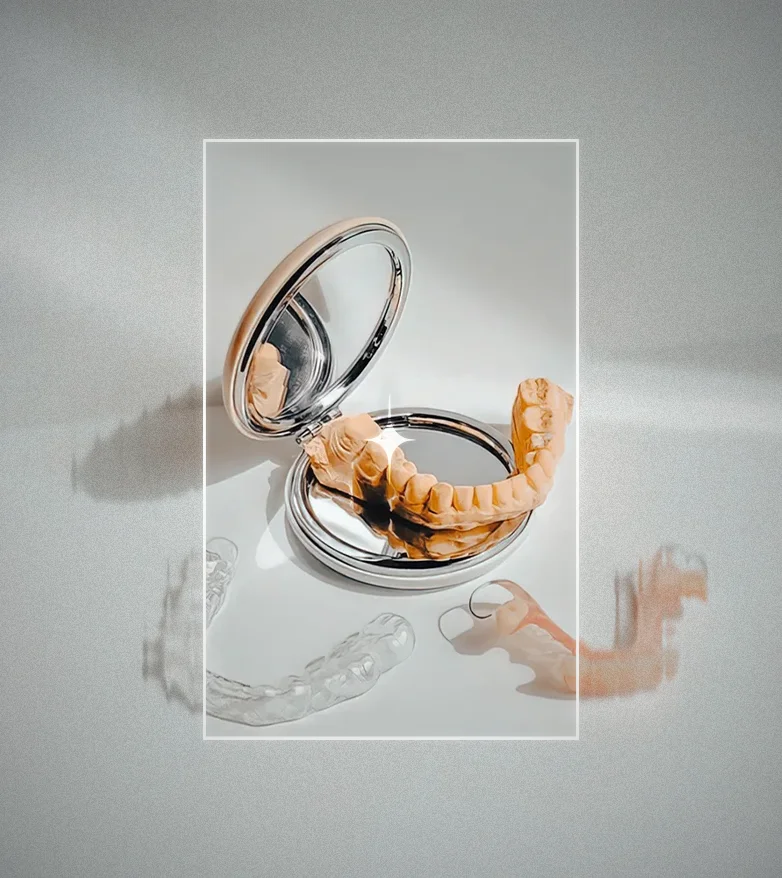


Periodontology & Gum Health in Turkey
Healthy gums are the foundation of a stable and long-lasting smile. Many dental problems — including tooth mobility, gum recession, and even tooth loss — originate from untreated periodontal disease.
Patients with advanced gum disease often require coordinated care before undergoing restorative treatments such as implants.
At StudiÖzgür Smile Studio & Laboratory, periodontal care focuses on diagnosing, treating, and preventing diseases affecting the supporting structures of the teeth. Our approach combines modern periodontal therapy with long-term gum health management.
Key Points
- Periodontology focuses on the health of gums, bone, and supporting tissues of the teeth.
- Gum disease is one of the most common causes of adult tooth loss worldwide.
- Early stages are reversible with professional care and improved oral hygiene.
- Advanced periodontal disease can be stabilized with modern non-surgical and surgical treatments.
- Healthy gums are essential for long-term success of dental implants and restorative treatments.
Table of Contents
What is Periodontology
Periodontology is the dental discipline concerned with the tissues that support and anchor the teeth. These structures include:
- the gums (gingiva)
- the periodontal ligament
- the alveolar bone
- the cementum surrounding the tooth root
When bacterial plaque accumulates around the gumline, inflammation can develop. Without treatment, this inflammation can gradually damage the tissues that stabilize the teeth.
Periodontal therapy aims to stop infection, protect supporting tissues, and maintain long-term oral stability.
What Causes Gum Disease
Gum disease develops when bacterial plaque and tartar accumulate around the teeth and below the gumline.
Common contributing factors include:
- poor oral hygiene
- smoking or tobacco use
- genetic predisposition
- hormonal changes
- systemic health conditions such as diabetes
- untreated dental restorations that trap bacteria
Preventive care plays a critical role in reducing the progression of periodontal disease.
Signs and Symptoms of Gum Disease
Early gum disease can develop quietly without severe discomfort, which is why many people delay seeking treatment.
Common warning signs include:
- bleeding while brushing or flossing
- red or swollen gums
- persistent bad breath
- gum recession
- teeth appearing longer
- increased tooth sensitivity near the gumline
- loose or shifting teeth
Recognizing these symptoms early can significantly improve treatment outcomes.
Stages of Gum Disease
Gingivitis
Gingivitis is the earliest stage of gum disease and involves inflammation of the gums without bone loss.
Typical symptoms include bleeding during brushing and mild swelling. With professional cleaning and improved oral hygiene, gingivitis is usually reversible.
Periodontitis
If untreated, gingivitis can progress into periodontitis. At this stage, infection spreads deeper and begins damaging the bone supporting the teeth.
Treatment focuses on eliminating infection and preventing further tissue destruction.
Advanced Periodontitis
Severe periodontal disease can lead to significant bone loss and gum recession.
Specialized periodontal treatments may be required to stabilize the teeth and restore the supporting structures.
Periodontal Treatments Available
The appropriate treatment depends on the stage of the disease and the condition of the surrounding tissues.
Understanding treatment costs and planning is important for international patients. – → Why Dentistry Cheaper [FLAG] → Why Dentistry Cheaper [FLAG]
Scaling and Root Planing (Deep Cleaning)
This non-surgical treatment removes bacterial deposits below the gumline and smooths the root surfaces to reduce bacterial accumulation.
It is one of the most common periodontal treatments for moderate gum disease.
Periodontal Maintenance Therapy
After active treatment, regular periodontal maintenance is essential to prevent recurrence.
Maintenance appointments focus on monitoring gum health and controlling bacterial buildup.
Gum Grafting
Gum recession can expose tooth roots and cause sensitivity. Soft tissue grafting restores gum coverage and protects the tooth surface.
This procedure can also improve the aesthetic appearance of the gumline.
Regenerative Periodontal Procedures
In cases where bone loss has occurred, regenerative techniques may be used to stimulate the growth of new bone and supporting tissues.
These procedures aim to improve the stability of the affected teeth.
Gum Health and Dental Implants
Healthy gums and sufficient bone support are essential for successful dental implant treatment.
Patients with periodontal disease often undergo gum therapy before implant placement to ensure a stable and infection-free environment.
Proper periodontal management significantly improves long-term implant success.
Periodontal Treatment Process for International Patients
Patients visiting Turkey for periodontal care typically follow a structured treatment process.
- Initial clinical examination and imaging
- Diagnosis and periodontal evaluation
- Non-surgical or surgical treatment phase
- Healing and tissue monitoring
- Long-term maintenance care
This approach ensures both effective treatment and long-term stability of the gums.
Frequently Asked Questions
Is gum disease reversible?
Gingivitis can usually be reversed with professional treatment and improved oral hygiene. Periodontitis cannot be fully reversed but can be successfully managed and stabilized.
Is periodontal treatment painful?
Most periodontal treatments are performed under local anesthesia and are generally well tolerated.
Can implants replace all teeth?
Yes. Techniques such as All-on-4 or All-on-6 allow a full arch of teeth to be supported by a limited number of implants.
How long does treatment take?
Treatment duration depends on the severity of the disease. Non-surgical therapy may be completed in a few visits, while surgical treatments may require additional healing time.
Can gum disease return?
Yes. Without proper oral hygiene and regular maintenance visits, periodontal disease may recur. Long-term gum care is essential for maintaining results.
Related Guides for International Patients:
• Dental Implants in Turkey
• Professional Teeth Cleaning & Prevention
• Why Is Dentistry Cheaper in Turkey [FLAG]
• Responsible Treatment Planning [FLAG]
Medical Review
This page was prepared and reviewed by the clinical team at StudiÖzgür Ağız ve Diş Sağlığı Polikliniği, located in Istanbul. The content is intended to provide clear and educational information for international patients researching aesthetic dental treatments.
Evidence-Based Dentistry
Dental treatments should be evaluated through reliable clinical knowledge rather than marketing claims. Online information sometimes presents simplified timelines or expectations that do not fully reflect established treatment protocols.
For example, complete smile transformations advertised within only a few days or treatments described as a “treatment and holiday” experience may overlook healing periods, activity restrictions, and individualized planning. Similarly, some commonly repeated statements about implant procedures do not always reflect current clinical consensus.
Because dentistry is a medical discipline, treatment decisions should be guided by peer-reviewed research and clinical evidence. Patients are encouraged to approach online claims carefully and prioritize information supported by scientific literature and evidence-based dentistry.
Scientific References
- Löe H.
The gingival index, the plaque index and the retention index systems.
Journal of Periodontology. 1967;38(6):610–616.
DOI: 10.1902/jop.1967.38.6.610 - Pihlstrom BL, Michalowicz BS, Johnson NW.
Periodontal diseases.
The Lancet. 2005;366(9499):1809–1820.
DOI: 10.1016/S0140-6736(05)67728-8 - Tonetti MS, Greenwell H, Kornman KS.
Staging and grading of periodontitis: Framework and proposal of a new classification.
Journal of Periodontology. 2018;89(S1):S159–S172.
DOI: 10.1002/JPER.18-0006 - Lang NP, Bartold PM.
Periodontal health.
Journal of Clinical Periodontology. 2018;45(S20):S9–S16.
DOI: 10.1111/jcpe.12936 - Cortellini P, Tonetti MS.
Clinical concepts for regenerative therapy in intrabony defects.
Periodontology 2000. 2015;68(1):282–307.
DOI: 10.1111/prd.12071
